PTA Begins Public Consultation on New MVNO Licensing Framework in Pakistan
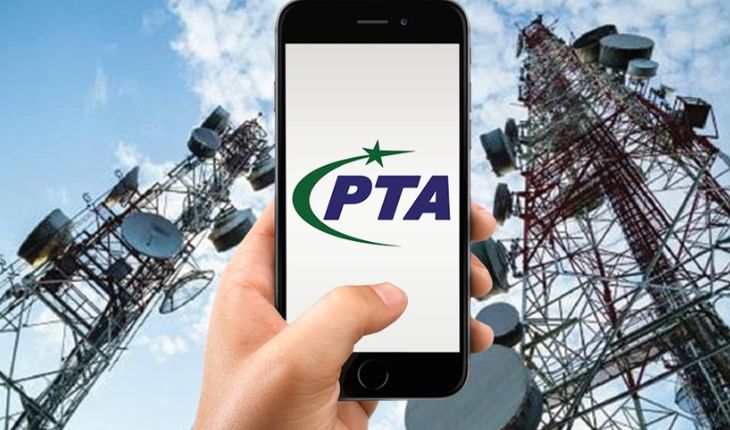
The Pakistan Telecommunication Authority has officially started a public consultation process on a new licensing framework for Mobile Virtual Network Operators, also known as MVNOs. This is an important development for Pakistan’s telecom industry because it could bring more competition and new service providers into the market.
PTA has released a draft version of the proposed framework and invited telecom companies, industry experts, and other stakeholders to share their feedback. Interested parties have been given 14 days to submit their recommendations, with April 22 set as the final deadline.
What Is an MVNO
A Mobile Virtual Network Operator is a telecom company that provides mobile services without owning its own network infrastructure. Instead of building towers, radio systems, and core networks, MVNOs lease network capacity from existing telecom operators and offer services under their own brand name.
Under the proposed framework, MVNOs in Pakistan will be allowed to:
- Operate under their own brand
- Create their own pricing plans and packages
- Manage customer support, billing, and service systems
This model can help increase competition in the telecom market and may give consumers access to more affordable and customized mobile packages.
PTA’s Proposed Licensing Fees and Financial Requirements
According to the draft policy, PTA has proposed a licensing fee of 140,000 dollars for MVNO operators.
The framework also includes several annual financial obligations:
- Annual fee of 0.5 percent of gross revenue
- Universal Service Fund contribution of 1.5 percent
- Research and Development fund contribution of 0.5 percent
The MVNO license will remain valid for 15 years. Companies that want to continue operating after that period will need to apply for renewal at least 30 months before the license expires.
These financial conditions are designed to ensure that only serious and financially stable companies enter the market.
Restrictions on MVNO Operations
Although the framework creates new business opportunities, it also places clear limits on MVNO operations.
Under the proposed rules, MVNOs will not be allowed to:
- Build their own radio or core telecom network
- Receive spectrum allocation from PTA
- Sign independent roaming or interconnection agreements
Instead, MVNOs will have to depend completely on existing telecom operators for network access and infrastructure.
This approach allows new companies to enter the market without disrupting the existing telecom infrastructure system.
Consumer Services and Protection Requirements
PTA has also included several mandatory service requirements in the draft framework.
MVNOs will be required to:
- Provide emergency call services
- Offer international connectivity
- Ensure basic voice and mobile internet services
Customers will also have access to mobile number portability, which means they can switch to another operator without changing their mobile number.
In addition, MVNOs will be required to keep user data records for at least one year in line with Pakistan’s regulatory and security requirements.
Impact on Pakistan’s Telecom Industry
The introduction of MVNOs could bring major changes to Pakistan’s telecom market. New operators could offer better pricing, unique mobile packages, and improved customer support.
This model may also create new business opportunities for existing telecom operators because they can lease network capacity to MVNOs and generate additional revenue.
However, because MVNOs will not own spectrum or network infrastructure, they will remain dependent on traditional telecom companies. This may limit their flexibility and independence in the future.
Conclusion
The new MVNO licensing framework shows that PTA is trying to modernize Pakistan’s telecom sector while protecting existing infrastructure investments.
If the policy is approved and implemented successfully, it could increase competition, improve customer choice, and encourage more innovation in the telecom market across Pakistan.
About The Author