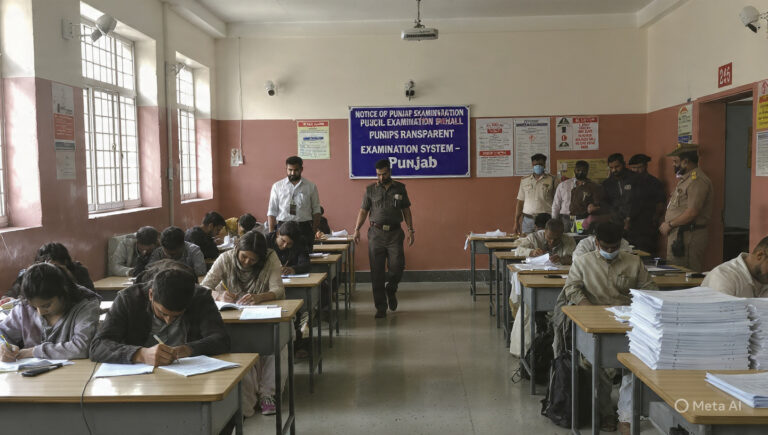
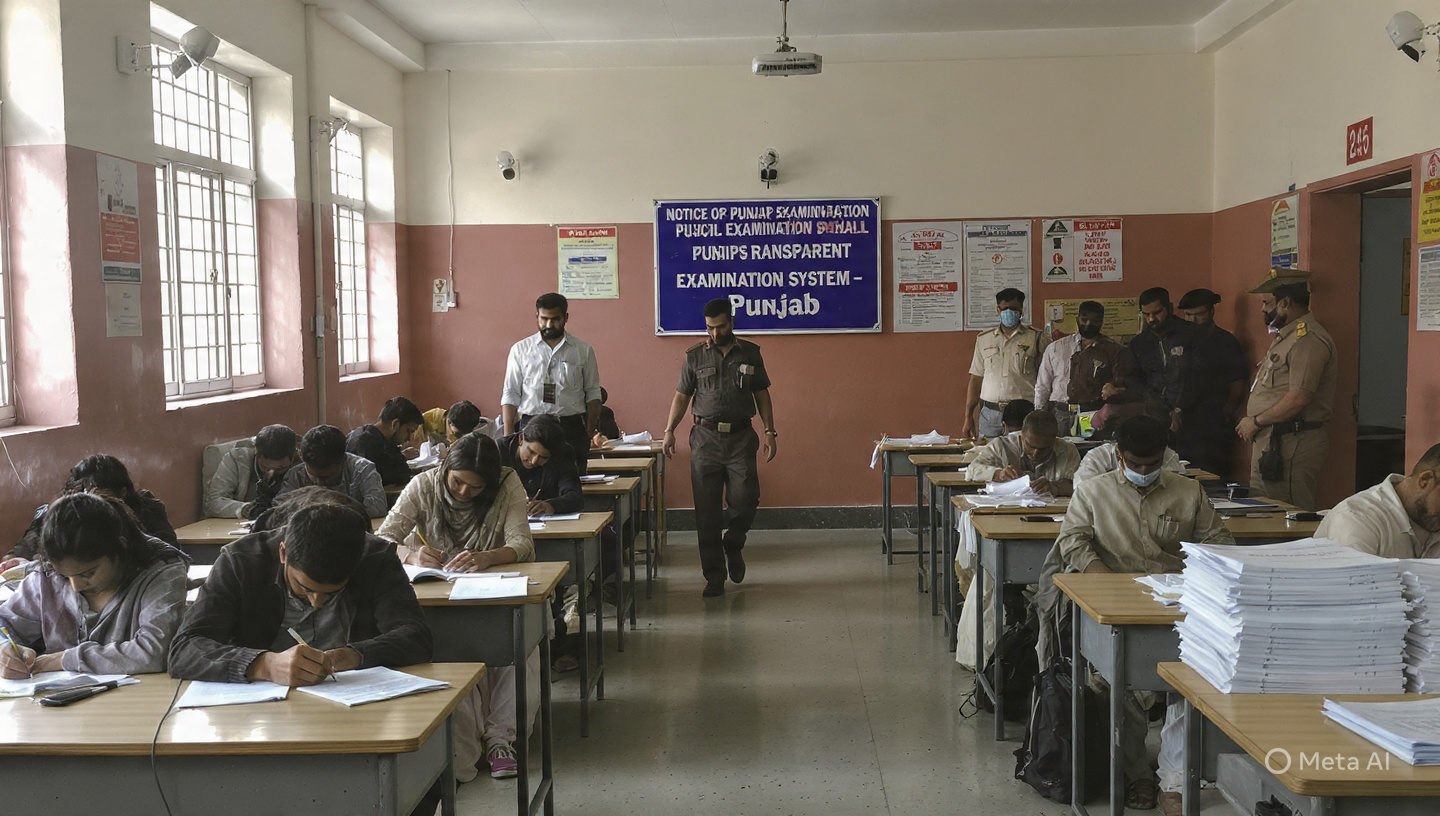
In a major step aimed at strengthening transparency in the education sector, the Punjab School Education Department has introduced new guidelines and standard operating procedures (SOPs) for the annual examination system across Punjab.
Education authorities say the reforms are designed to improve fairness in marking, enhance monitoring, and restore public confidence in exam results across government and affiliated schools.
Under the new policy, the paper-checking process will be placed under strict supervision to ensure that students receive accurate and unbiased marks. Officials confirmed that 25 percent of schools across the province will have their examination papers randomly selected for independent validation under the School-Based Assessment system.
The verification process will help authorities detect irregularities in marking and prevent inflated or manipulated results. Education officials say the step will also allow the department to evaluate the reliability of the assessment system currently being used in schools.
School administrations have been directed to maintain detailed records related to examinations and the marking process. Authorities have warned that institutions found involved in incorrect marking, result manipulation, or other irregularities will face strict disciplinary action.
At the same time, schools that demonstrate transparency and present genuine academic results will be encouraged and acknowledged by the department. To strengthen oversight further, the Punjab Examination Commission will independently review the marking standards of Grade 8 examination papers. Officials say the external review will help ensure that the evaluation process remains consistent and credible across the province.
The reforms also introduce accountability for senior education officials. The performance of Directors of Public Instruction (DPIs), education directors, and Chief Executive Officers (CEOs) of district education authorities will now partly be assessed based on how effectively they monitor and implement the new examination procedures.
Alongside changes in the marking system, authorities are also introducing technology-driven measures to prevent cheating and impersonation during exams.
Biometric verification has already begun at sensitive examination centers to confirm the identity of candidates appearing in exams. According to officials, more than 6,000 students have already completed biometric verification as part of the new security system.
Education authorities believe the biometric process will significantly reduce the risk of impersonation and ensure that only registered candidates sit for examinations. In addition to biometric checks, CCTV cameras and online monitoring systems will be deployed during matriculation examinations to supervise examination halls and maintain discipline.
Officials say the combination of digital monitoring, biometric verification, and stricter evaluation procedures will help create a more credible and transparent examination system across Punjab. Education experts have welcomed the move, noting that the integration of technology into the examination process could play a key role in improving accountability and strengthening trust in the province’s academic assessment system.
If implemented effectively, they say, these reforms could mark a significant step toward ensuring that exam results truly reflect students’ academic performance rather than administrative errors or manipulation.
About The Author